Toddler Program

“... children want to do what they can as soon as they can.”

— Maria Montessori


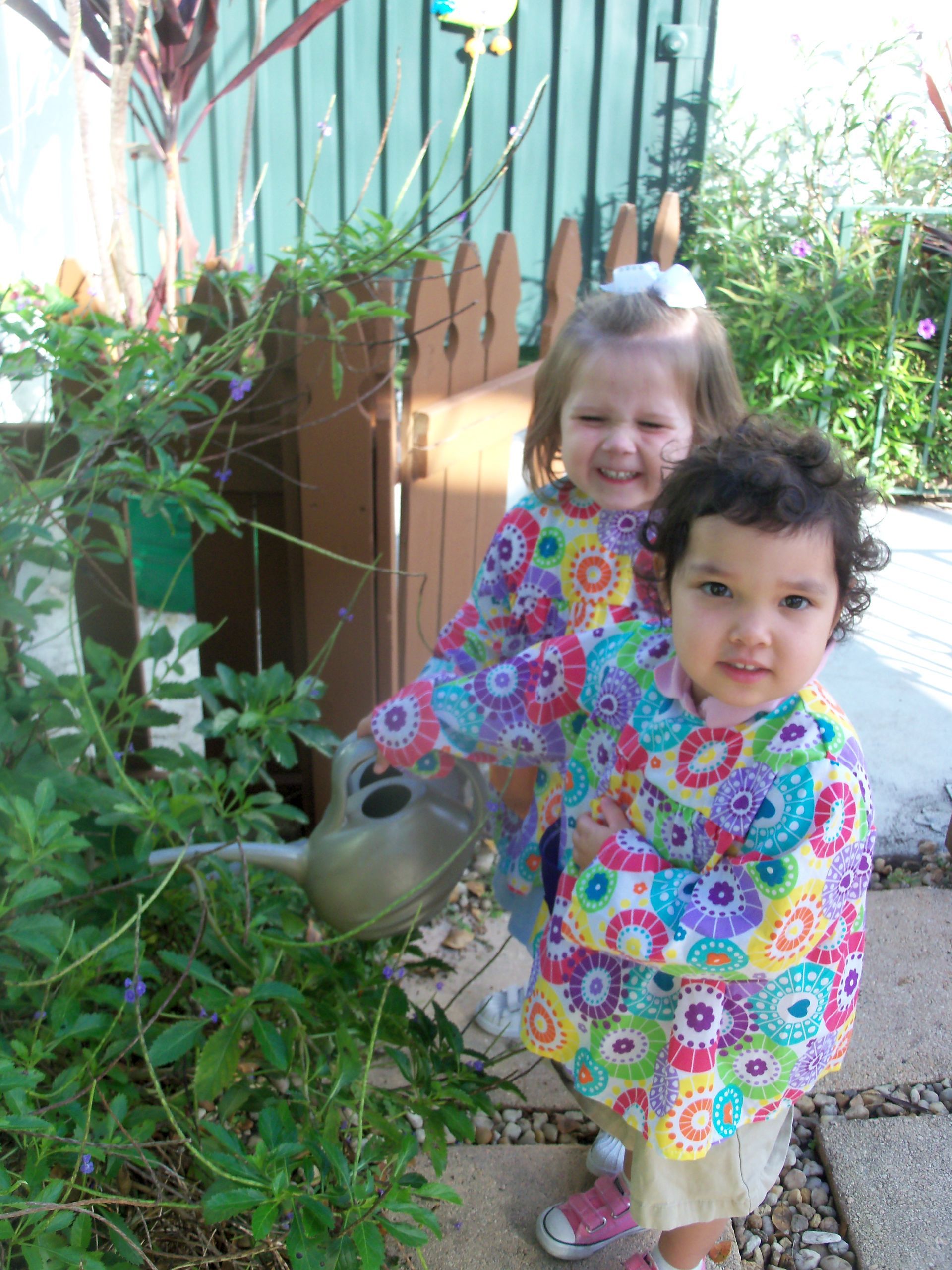
The Toddler Program is a safe and nurturing environment where children ages 18 months to 3 years old have the freedom and ability to move and explore within an atmosphere of special understanding, support and respect.
Where independence begins with trust, and wonder is met with intention


A Gentle Beginning


The toddler years mark the beginning of a child’s Montessori journey. At this stage, children are driven by a deep inner urge to explore, move, and gain independence. Our Toddler Program honors this vital period of development by creating a space that supports their physical, emotional, social, and cognitive growth in meaningful ways.


A Prepared and Peaceful Environment


Our Montessori toddler classroom is a carefully prepared environment—beautiful, inviting and scaled to the child’s size. The calm atmosphere supports the toddler’s natural desire to move, and explore. In a space designed just for them, toddlers experience hands-on discovery, independence, and freedom within gentle limits.


“Help Me To Do It Myself”


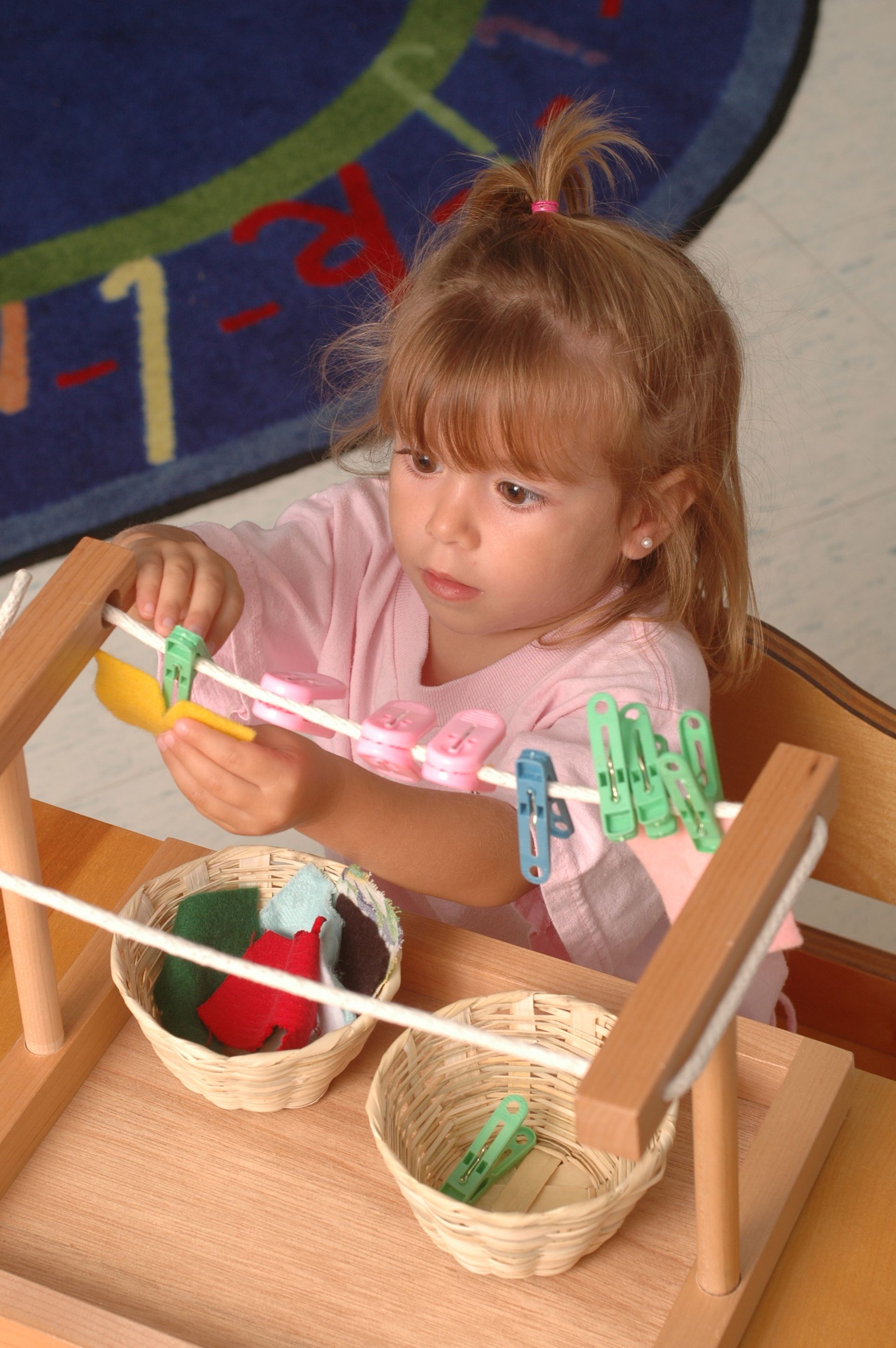
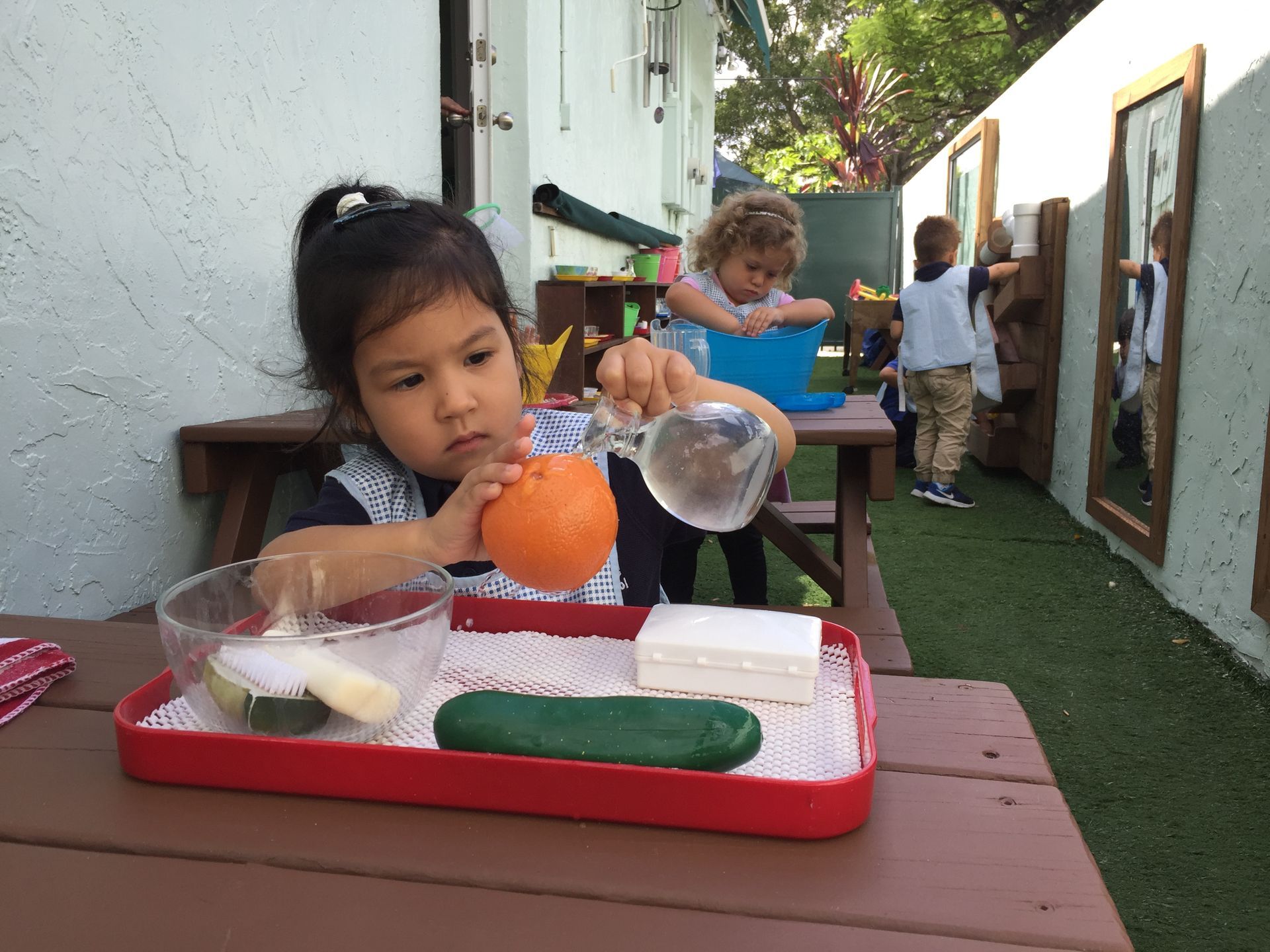
Toddlers are eager to do things for themselves. Through practical life activities—pouring water, preparing food, dressing themselves, or cleaning up—they gain real-world skills and build confidence in their abilities. These everyday tasks are deeply meaningful and help refine movement, coordination, and a growing sense of autonomy.


Movement with Purpose


Movement is at the core of toddler development. Our environment supports freedom of movement, coordination, and control through purposeful activities like sweeping, pouring, stacking, and walking on a line in addition to creative movement and yoga. These physical activities are foundational to cognitive and emotional growth.
Language in the Making or Absorbing Language


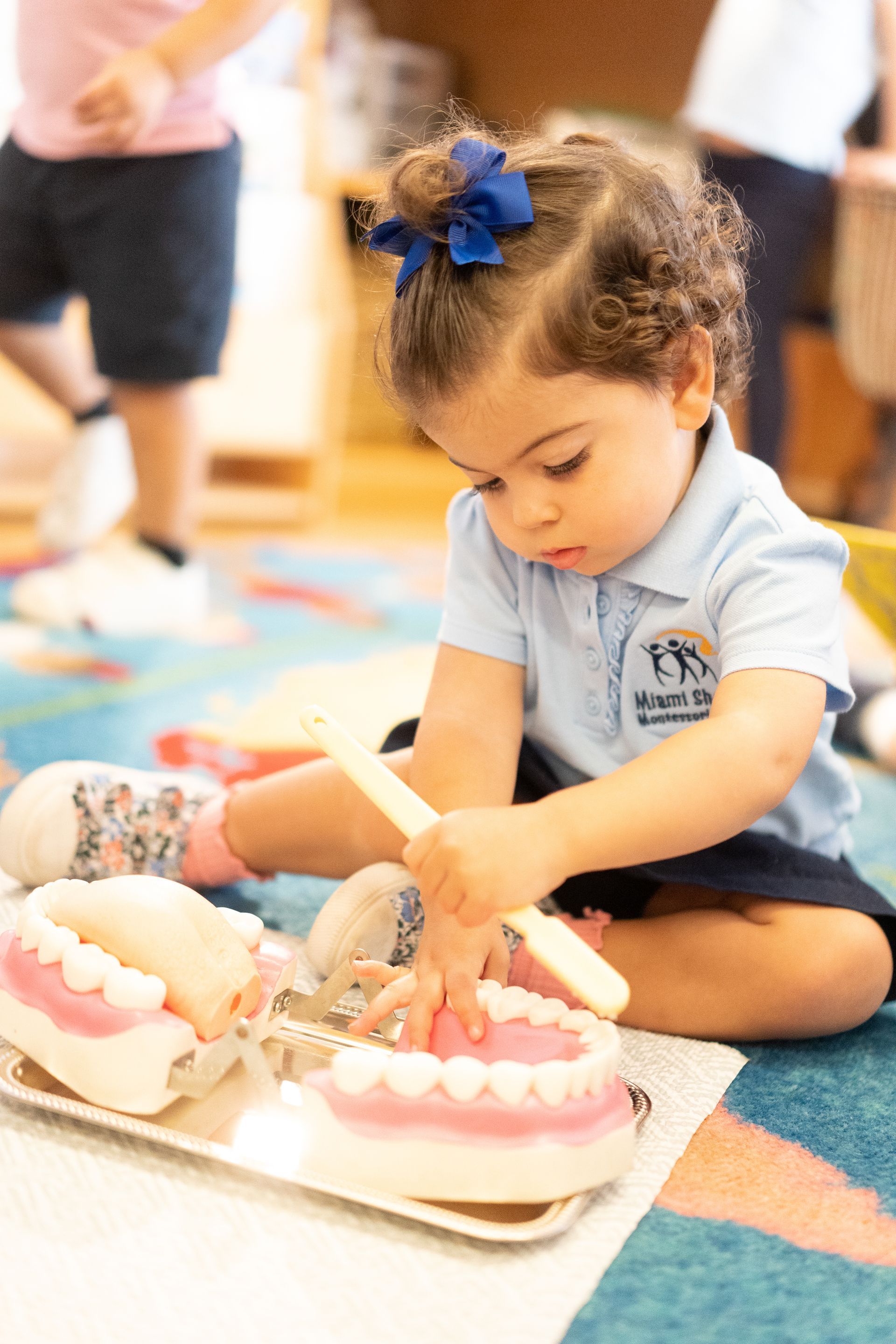
The toddler child is in a sensitive period for language, and we nurture it through conversation, songs, finger rhymes, and naming everything in the environment. Language is not “taught,” but absorbed naturally as children make connections between words, meaning, and action.


A Community of Grace and Courtesy


Social development is gently guided through grace and courtesy lessons—modeling kindness, respect, and how to be part of a community. Toddlers learn to wait their turn, offer help to a friend, and express themselves respectfully, all within a nurturing and respectful environment.

Frequently Asked Questions About Our Montessori Toddler Program

  • Why Do Montessori Classes Tend To Be Larger than Those Found in Many Other Schools?

    Many schools take pride in having very small classes, and parents often wonder why Montessori classes are so much larger. Montessori classes commonly group together twenty-five to thirty children covering a three-year age span. Schools that place children together into small groups assume that the teacher is the source of instruction, a very limited resource. They reason that as the number of children decreases, the time that teachers have to spend with each child increases. Ideally, we would have a one-on-one tutorial situation. But the best teacher of a three-year-old is often another somewhat older child. This process is good for both the tutor and the younger child. In this situation, the teacher is not the primary focus. The larger group size puts the focus less on the adult and encourages children to learn from each other. By consciously bringing children together in larger multi-age class groups, in which two-thirds of the children normally return each year, the school environment promotes continuity and the development of a fairly stable community. 


  • Is Montessori for All Children?

    The Montessori system has been used successfully with children from all socio-economic levels, representing those in regular classes as well as the gifted, children with developmental delays, and children with emotional and physical disabilities. 


    There is no one school that is right for all children, and certainly there are children who may do better in a smaller classroom setting with a more teacher-directed program that offers fewer choices and more consistent external structure. 


    Children who are easily overstimulated, or those who tend to be overly aggressive, may be examples of children who might not adapt as easily to a Montessori program. Each situation is different, and it is best to work with the schools in your area to see if it appears that a particular child and school would be a good match.


  • Why Do Most Montessori Schools Ask Young Children to Attend Five Days a Week?

    Two- and three-day programs are often attractive to parents who do not need full-time care; however, five-day programs create the consistency that is so important to young children and which is essential in developing strong Montessori programs. Since the primary goal of Montessori involves creating a culture of consistency, order, and empowerment, most Montessori schools will expect children to attend five days a week.

  • Why Is Montessori So Expensive Compared to Conventional Schools?

    Describe the item or answer the question so that site visitors who are interested get more information. You can emphasize this text with bullets, italics or bold, and add links.
  • How Do Montessori Schools Report Student Progress?

    Because Montessori believes in individually paced academic progress, most schools do not assign letter grades or rank students within each class according to their achievement. Student progress, however, is measured in different ways, which may include: 


    Student Self-Evaluations: At the elementary level, students will often prepare a monthly self evaluation of the past three month’s work: what they accomplished, what they enjoyed the most, what they found most difficult, and what they would like to learn in the three months ahead. When completed, they will meet with the teachers, who will review it and add their comments and observations. 


    Portfolios of Student Work: In many Montessori schools, two or three times a year, teachers (and at the elementary level, students) and parents go through the students’ completed work and make selections for their portfolios. 


    Student/Parent/Teacher Conferences: Once the students’ three-month self-evaluations are complete, parents, students, and teachers will hold a family conference two or three times a year to review their children’s portfolios and self-evaluations and go through the teachers’ assessment of their children’s progress. 


    Narrative Progress Reports: In many Montessori schools, once or twice a year, teachers prepare a written narrative report discussing each student’s work, social development, and mastery of fundamental skills.


  • What if a Child Doesn’t Feel Like Working?

    While Montessori students are al-lowed considerable latitude to pursue topics that interest them, this freedom is not absolute. Within every society there are cultural norms; expectations for what a student should know and be able to do by a certain age. Experienced Montessori teachers are conscious of these standards and provide as much structure and support as is necessary to ensure that students live up to them. If for some reason it appears that a child needs time and support until he or she is developmentally ready, Montessori teachers provide it nonjudgmentally.

  • What about Children with Special Needs?

    Every child has areas of special gifts, a unique learning style, and some areas that can be considered special challenges. Each child is unique. Montessori is designed to allow for differences. It allows students to learn at their own pace and is quite flexible in adapting for different learning styles. In many cases, children with mild physical handicaps or learning disabilities may do very well in a Montessori classroom setting. On the other hand, some children do much better in a smaller, more structured classroom. Each situation has to be evaluated individually to ensure that the program can successfully meet a given child’s needs and learning style.


  • Is Montessori Elitist?

    No. Montessori is an educational philosophy and approach that can be found in all sorts of settings, from the most humble to large, well-equipped campuses. In general, Montessori schools consciously strive to create and maintain a diverse student body, welcoming families of every ethnic background and religion, and using scholarships and financial aid to keep their school accessible to deserving families. Montessori is also found in the public sector as magnet public school programs, Head Start centers, and as charter schools.

Reviews

Our Reviews

"My son started at 18m and my daughter at 2 in the Toddler house. The teachers are wonderful and loving, providing the kids with a nurturing environment to thrive. They taught my kids important life skills - cleaning up after themselves, being organized and potty training. In Children's House, the fine motor skills my son honed in Toddler house was put to use with tracing letters and numbers. At 3, he knew his numbers and started to read CVC words. They also start doing Math (age appropriate lessons using manipulatives). If you visit the classrooms you will see trays of lessons for the kids to choose from allowing them to reinforce the same idea in many different ways. There is a misconception that Montessori schools let the kids do what they want. That is not the case. They give the children some freedom to choose but also entice them to try new things. The teachers here take meticulous notes on what a child has tried and has not and makes sure that a child is exposed to all aspects i.e. practical life, language, mathematics and sensorial activities. There is an annual school performance and you see just how advanced the pre-k and kindergarten kids are as they are able to stand up on stage and speak publicly to a large audience. Many of the kids read and write.There are many schools that call themselves Montessori schools but upon closer look you realize they don't actually follow the Montessori method. This one does. The principal really brings the school together. She is organized, detail-oriented and has very high standards for herself. She really goes the extra mile and never cuts corners. I've toured many different schools in Miami and am very thankful to have found this school"


— The Leung Family

If you think your child would thrive in a Montessori environment, give us a call or schedule a tour. We would love for you to visit our school and learn more.