
Primary & Kindergarten Program
“The most important period of life is not the age of university studies, but the first one—the period from birth to age six.”
— Maria Montessori
The Primary Program is designed to support the whole child during one of the most important and formative periods of life. Between the ages of 3 and 6, children develop the foundations of independence, concentration, language, social awareness, and are eager to explore, to belong, and to understand how the world works. The Montessori classroom meets these needs with care, clarity, and purpose.
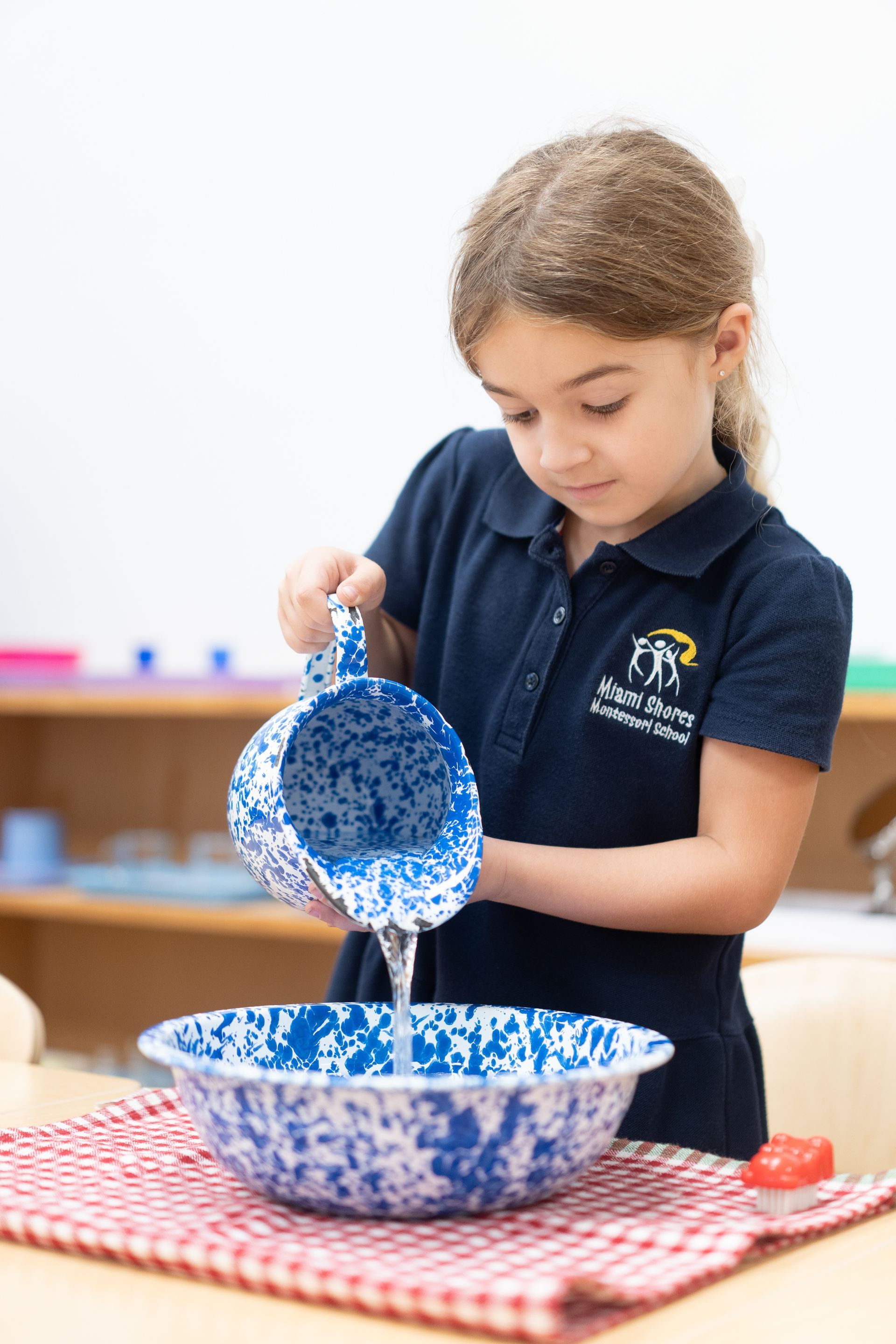
Where independence begins and a love of learning takes root.
A Child Centered Approach
In the Montessori Primary classroom, the child is not rushed or compared. Each child is gently observed and guided, with trust in their inner drive to learn. This is a space where they are free to make choices, where they are respected, and where learning is a joyful, personal journey.
Sensitive Periods for Natural Learning
Children between the ages of 3 and 6 move through Sensitive Periods—short windows of time when they are especially open to learning specific skills like language, movement, order, and social interaction. These moments of deep focus and interest guide the child’s natural development. Montessori described the child in this stage as having an Absorbent Mind—a natural ability to take in information simply by being immersed in the environment. Repetition is joyful. Curiosity is constant.
In our Montessori classrooms, the environment is prepared to meet these needs with purpose. Materials are introduced when the child is ready, allowing learning to unfold with ease, joy, and lasting impact.
Purposeful Work, Meaningful Growth
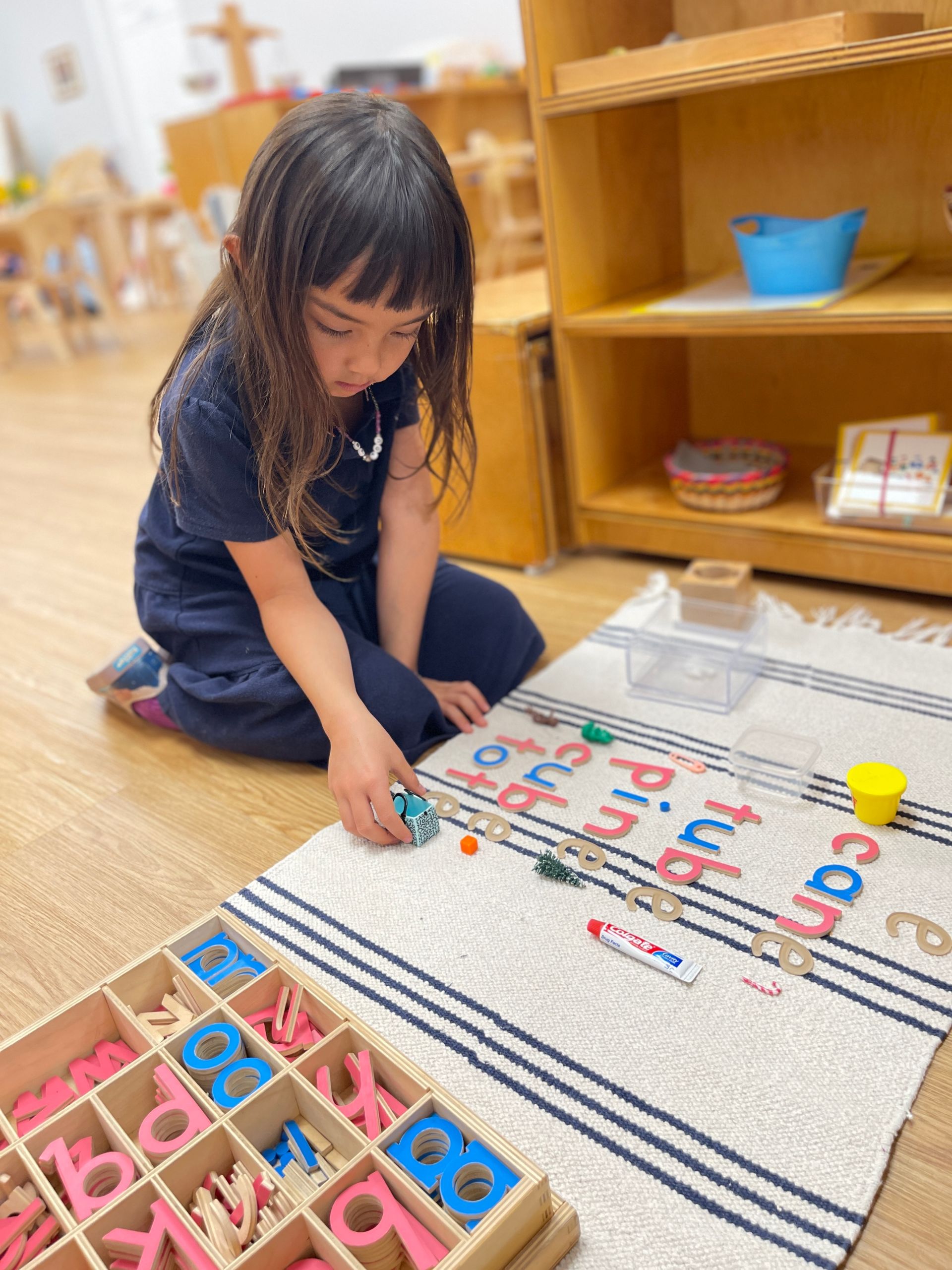
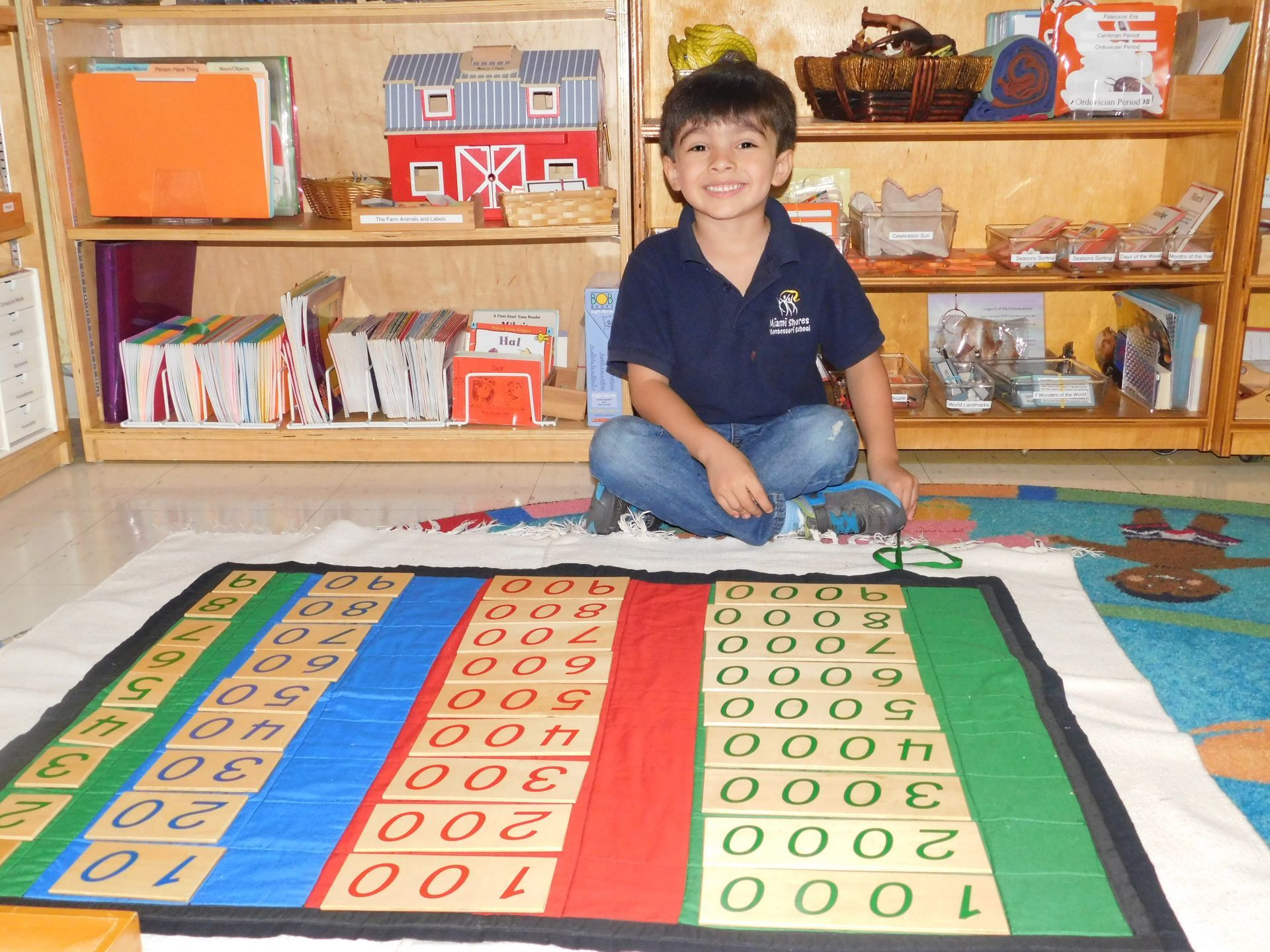
In the Montessori classroom, every material serves a purpose—and every task holds meaning. What may look like simple work to an adult—washing a table, spooning beans, tracing letters—is, to the child, a carefully chosen challenge. These activities develop coordination, concentration, and confidence while laying the groundwork for reading, writing, and mathematical thinking.
Because the materials are self-correcting and designed for repetition, children are free to practice until they reach mastery—not for praise, but for the quiet satisfaction of getting it right on their own.
Grace and Courtesy and Community
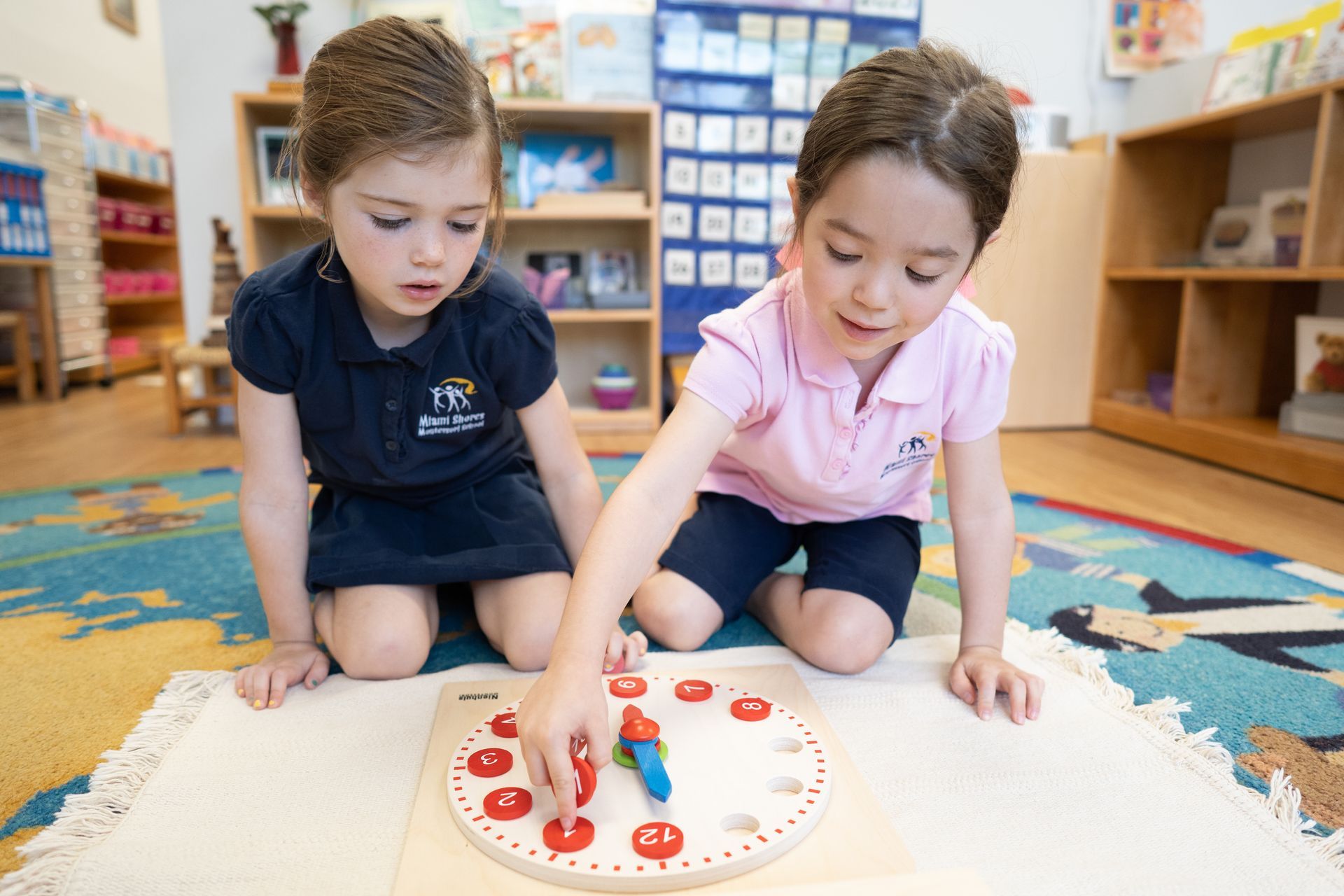
In the Primary classroom, social learning is part of everyday life. Children are gently introduced to the language and rituals of respect—how to greet a friend, wait their turn, offer help, or resolve conflict with kindness. These small but meaningful lessons in grace and courtesy help create a peaceful classroom where everyone feels safe, seen, and valued.
The classroom also reflects the diversity of the world around us. Through conversation, shared traditions, geography, language, and cultural work, children begin to appreciate different perspectives and lived experiences and contribute to a community built on empathy and cooperation.
The Kindergarten Year in Montessori: A True Capstone
The Primary Program is designed as a three-year journey. In this mixed-age setting, children do not just learn academics—they grow into confident, capable individuals. The youngest begin by observing and absorbing. In the second year, they refine their skills through practice and repetition. By the third year—traditionally the Kindergarten year—everything comes together.
In this final year, the child steps into leadership. Lessons once introduced are now mastered. Reading, writing, and mathematical understanding deepen. The child takes ownership of their learning, helps guide younger peers, and gains the confidence that comes from seeing how far they have come. It is a year of consolidation, growth, and readiness—for both academics and life. This continuity allows each child to move through the cycle at their own pace, building not only knowledge, but independence, empathy, and a true love of learning in our Montessori primary & kindergarten program in Miami, FL.
Frequently Asked Questions About Our Montessori Primary Program
Reviews
"Miami Shores Montessori is a wonderful school that feels like home. My son started in the Toddler program at age two, he is finishing up his second year in Primary. He has learned so much in two years. It is incredible. Some of his favorite things are letter sounds, vocabulary, geography, math and counting, love of nature, animals, music and yoga. We are looking forward to our third year at MSMS and our youngest will also be starting her first year come August. I cannot be more confident when I wholeheartedly recommend this school to any family with children. You will see your child flourish into a mini Adult with amazement, as we have witnessed. The teachers and staff are warm and welcoming, they feel like family. Some of our greatest friends and relationships with other Parents and Children have blossomed from Miami Shores Montessori. We love this school!"
— The Ramos Family