Dedicated to the Whole Child
An accredited Montessori program for children ages 18 months to 11 years old.
Why do so many families choose Montessori School of Miami Shores?
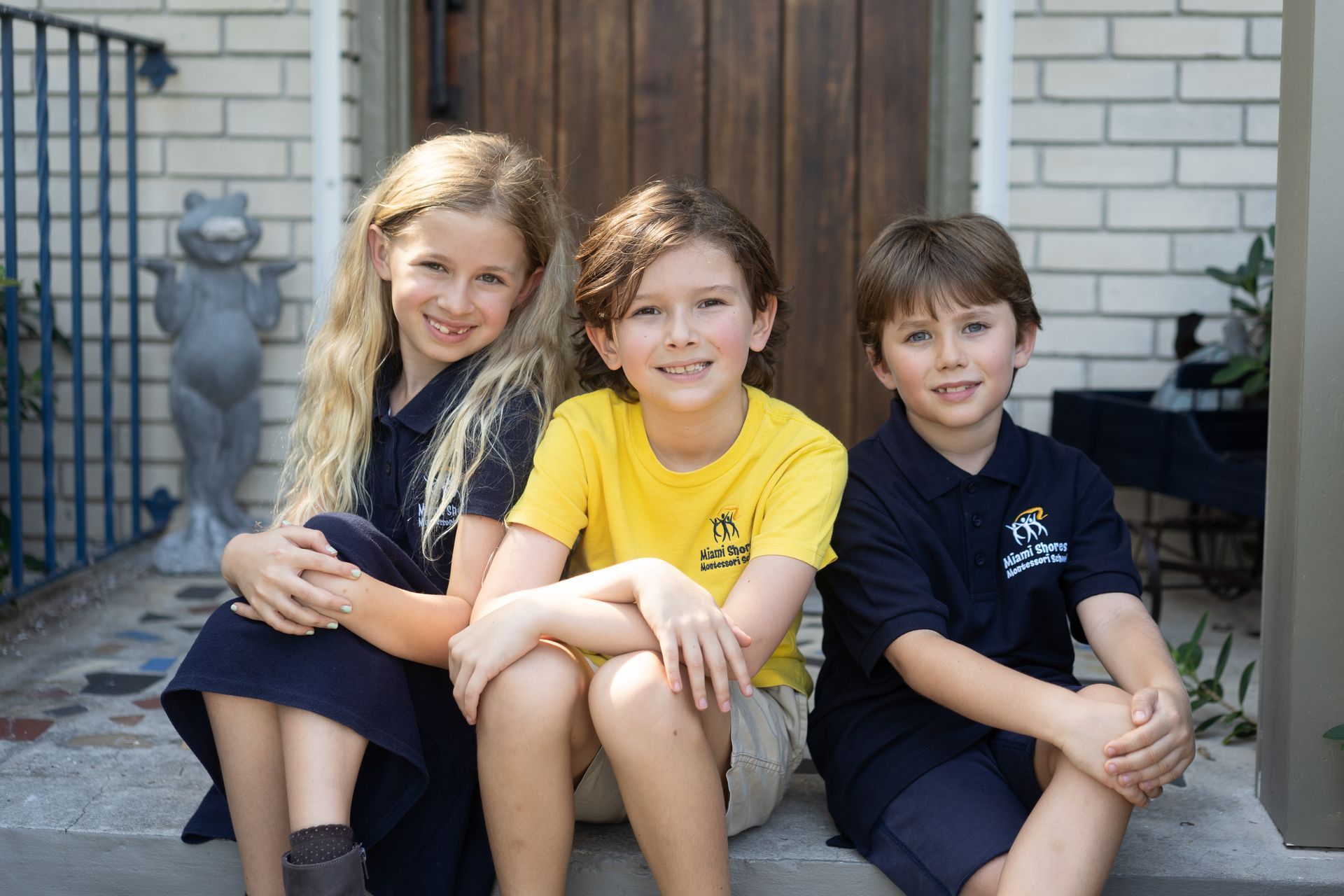
At our school, children are valued not just for what they know, but for who they are. We support their curiosity, independence, empathy, and creativity—fostering confidence from within and helping them grow into thoughtful, capable individuals.
Academics That Inspire, Not Pressure
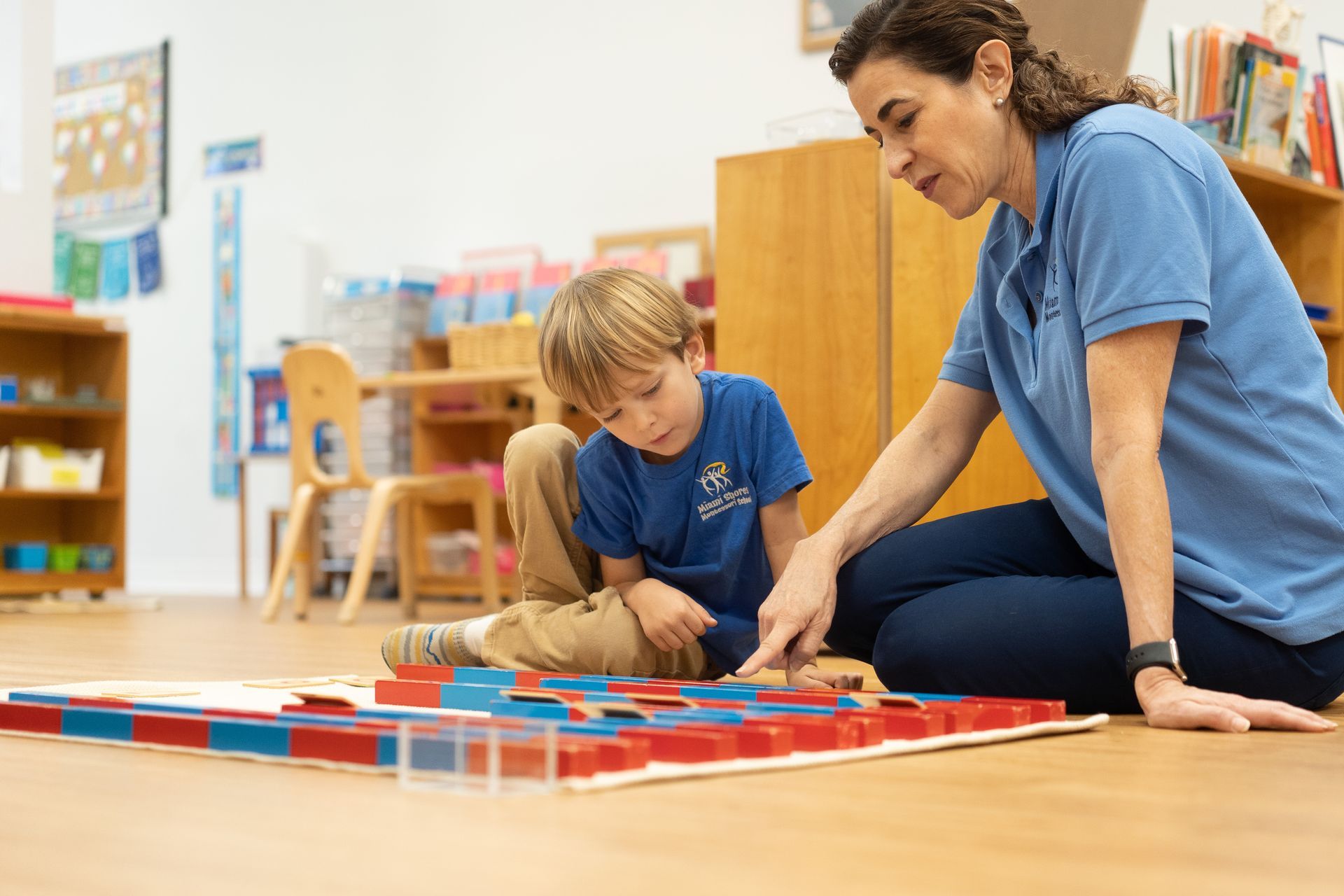
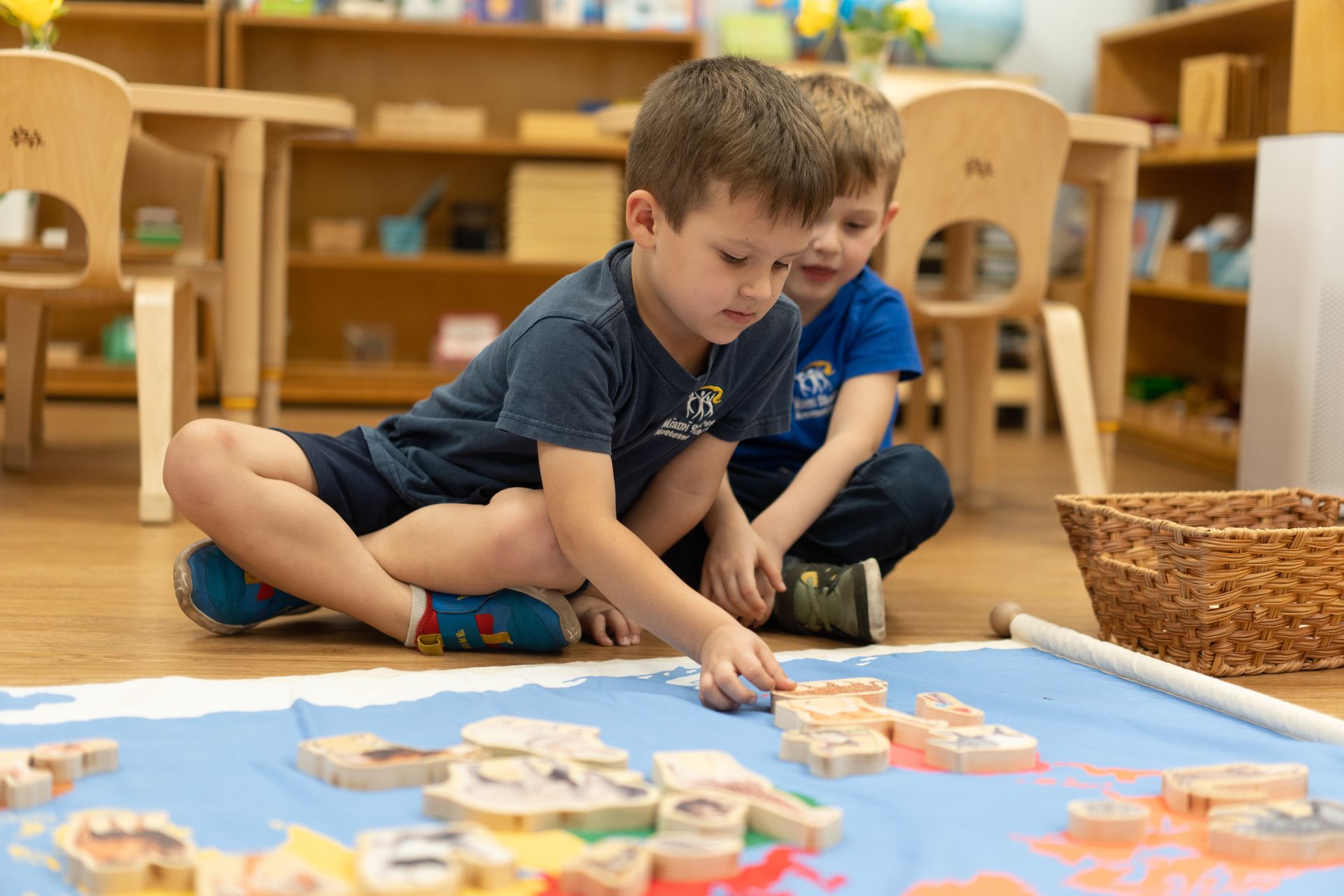
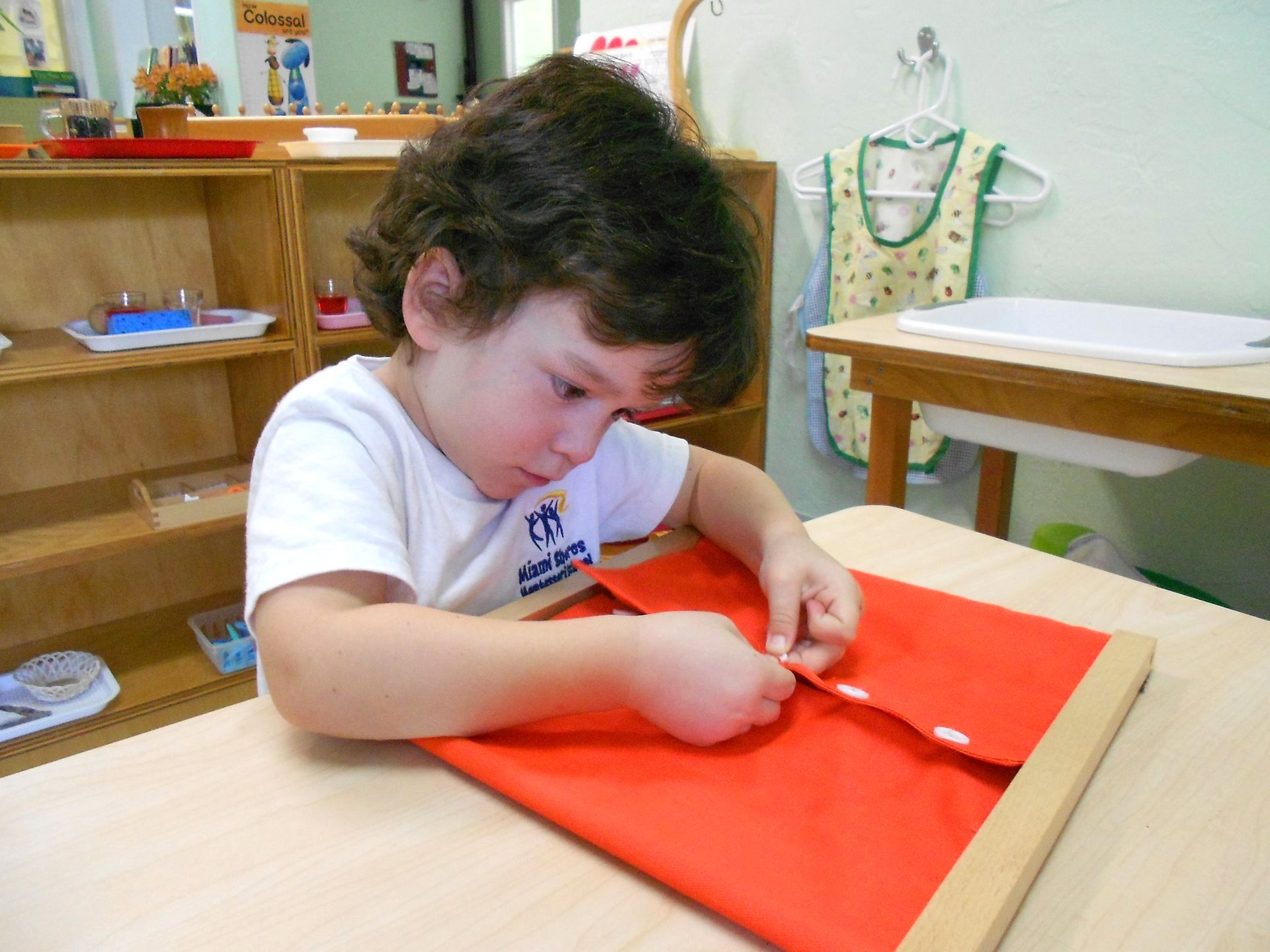
Children at our school build strong academic foundations through exploration, not memorization. Lessons are hands-on, meaningful, and offered when a child is truly ready—so learning feels joyful, not forced. Whether it’s reading, math, or science, understanding runs deep because curiosity leads the way.
Montessori School of Miami Shores is more than a school—it is a partnership with families. We work together to create a strong foundation, where children feel known, supported, and part of something meaningful.
Learning is not one-size-fits-all. Each child moves at their own pace, supported and challenged as needed without pressure or comparison. Those who need more time are given it. Those ready to soar are guided forward. Our role is to help each child grow with confidence and clarity.
Our Mission
We are committed to nurturing the full potential of every child—intellectually, emotionally, socially, and spiritually. Through meaningful partnerships with families and a strong sense of community, we guide children to grow into confident, compassionate, and independent individuals.
Our Programs



Reviews
"I can’t say enough good things about Miami Shores Montessori. We have had an amazingly positive experience for the past two years. The staff is very warm and professional. The school is very well run. The director is attentive to every detail and very involved. There will always be a special place in our hearts for my son’s teacher. She is beyond special. He has learned and grown a lot and loves going to school. Highly recommend the school!"
— The Joffe Family
"Our family has been lucky enough to be apart of the Miami Shores Montessori community for 10 years. Our daughter, Ella, started in the toddler program attending the morning session when she was two years old. The warm and inviting atmosphere welcomed her every day with a hug and a smile. She spent her days amongst the butterflies learning with her friends. Since those special first moments, we have two beautiful daughters with grateful and empathetic souls that I owe credit to the ever so caring staff at our beloved school. The emphasis on the “whole child” rings throughout the curriculum and day to day activities on and off campus. It truly feels like a home away from our own that embraces all of the morals and values that our family holds sacred, fulfilling us with the love and care that we offer each other every day. We are so very grateful for our wonderful school!"
— The Butler Family
Visit Us
We invite you to visit our schools, meet the staff, and observe the children in their classrooms. We encourage you to ask questions learn about the opportunities available at all levels of the programs.
The Latest From Our Blog